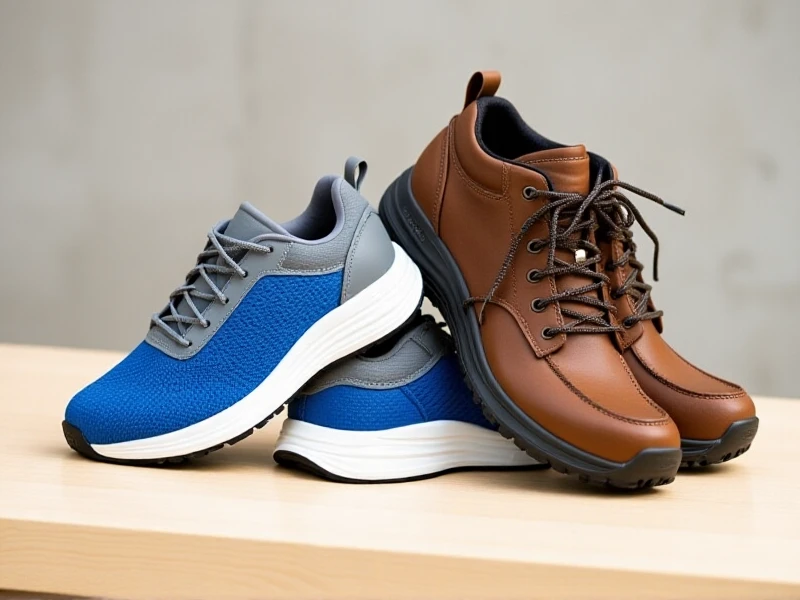
Find Your Perfect Pair: The Ultimate Guide to Running Shoes
Hey runners, are you ready to step up your game? Whether you're a newbie hitting the pavement or a seasoned marathoner, choosing the right running shoes can make all the difference in your comfort, performance, and injury prevention. In this guide, we'll dive into what makes great running shoes stand out, how to pick the best ones for you, and why investing in quality footwear pays off every mile. Get ready to lace up and transform your runs!
Running shoes aren't just fancy sneakers—they're engineered with crucial features like cushioning, support, and breathability to protect your feet and joints. Unlike regular shoes, they absorb impact from hard surfaces, reducing stress on your knees and ankles. This means fewer aches and better endurance during those long sprints. Plus, modern designs incorporate lightweight materials and flexible soles, so you feel agile and fresh, even on back-to-back workout days. Skimp on good running shoes, and you risk blisters, shin splints, or worse; prioritize them, and you'll enjoy smoother, more enjoyable sessions.
Now, let's explore the types of running shoes available. First up, neutral shoes are ideal for runners with a natural stride and medium arches, offering balanced cushioning without added correction. If you overpronate (where your feet roll inward too much), stability shoes provide extra support to align your gait. For severe overpronation or flat feet, motion-control shoes deliver maximum structure. Minimalist or barefoot-style shoes, on the other hand, mimic a natural stride for a barefoot feel, perfect for building foot strength but requiring an adjustment period. Then there's trail runners with rugged outsoles for off-road adventures, while road runners are optimized for pavements and tracks. Knowing your foot type and running terrain is key to picking the right category—don't worry, we'll cover how to do that.
To find your ideal pair, start with a professional gait analysis at a local running store. Experts will assess your stride on a treadmill to recommend the best support level. Next, consider your running habits: long-distance enthusiasts need max cushioning, while speed demons might prefer lightweight, responsive models. When trying on shoes, aim for a thumb's width of space in the toe box for swelling during runs, and test them by jogging around the store. Replace your running shoes every 300-500 miles, as worn-out midsoles lose their shock absorption. Brands like Brooks, ASICS, and Nike often lead the pack, but personal fit trumps popularity—choose what feels comfy and supportive for your unique feet.
In short, the perfect running shoes elevate every run from a chore to a joy. Take the time to get fitted properly, listen to your body, and your performance will soar. Ready to find your match? Start exploring options today—happy running!