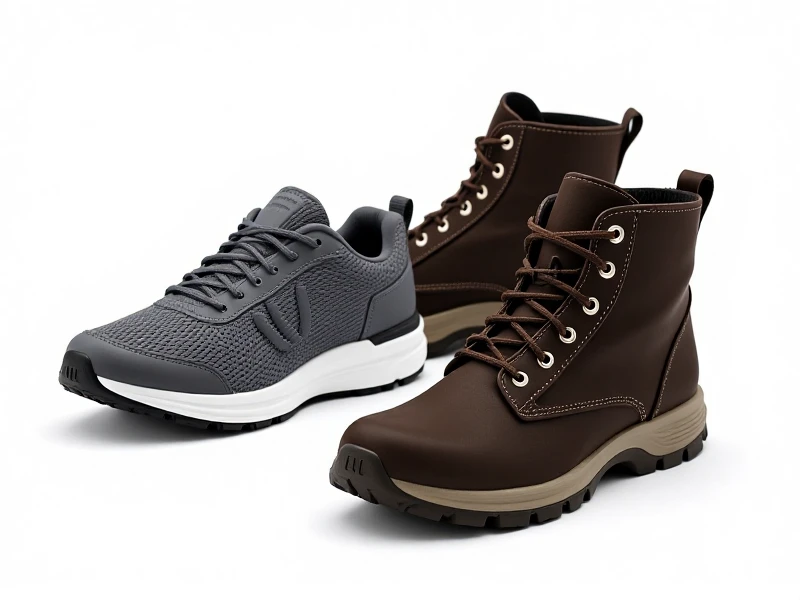
Your Guide to Finding the Perfect Running Shoes for Every Runner
Running offers amazing benefits for fitness and mental well-being, but without the right footwear, it can quickly turn uncomfortable or even lead to injuries. That's why choosing the best running shoes matters so much for runners of all levels. In this SEO article, we'll dive into how to select running shoes that match your unique needs, covering types, key features, and tips for maximizing comfort. By the end, you'll be equipped to pick the ideal pair for your daily jog or long-distance training.
First, understand the different types of running shoes available, as they cater to various terrains and running styles. For road running, look for lightweight options with ample cushioning to absorb shocks on hard surfaces like pavement or sidewalks. Trail running shoes, on the other hand, prioritize durability and grip to handle uneven trails or muddy paths. If you're into racing or speed runs, minimalist running shoes offer less bulk for faster, more responsive strides. Each type incorporates advanced technologies to boost performance, such as breathable meshes for temperature control or stabilizers to support arches. When shopping for running shoes, always prioritize fit—ensure a snug but not tight feel, with wiggle room for toes to avoid blisters. A good pair of running shoes can significantly improve your stride efficiency while reducing strain on joints.
Beyond choosing the right style, focus on personal features like cushioning level and support. Runners with flat feet or overpronation need stability-focused running shoes that guide the foot, preventing pain and compensating for natural movements. Neutral runners with higher arches might prefer neutral-cushioned models for balanced impact absorption. Remember, high-quality running shoes enhance not just your performance but also help prevent common issues like shin splints or foot fatigue. For instance, features like responsive midsoles in modern running shoes provide energy return, propelling you forward with less effort. Aim to replace your running shoes every 300-500 miles, as worn-out soles lose their support, diminishing protection.
In summary, investing in top-notch running shoes is an essential step for any runner looking to enjoy smoother, injury-free workouts. Test different brands and models by visiting your local store or checking online reviews to find your fit. Not only will the right pair of running shoes elevate your experience, but they'll also keep you hitting your goals for miles to come. Explore our site for expert recommendations on the latest running shoes, tailored to your running journey—your perfect match is just a step away.