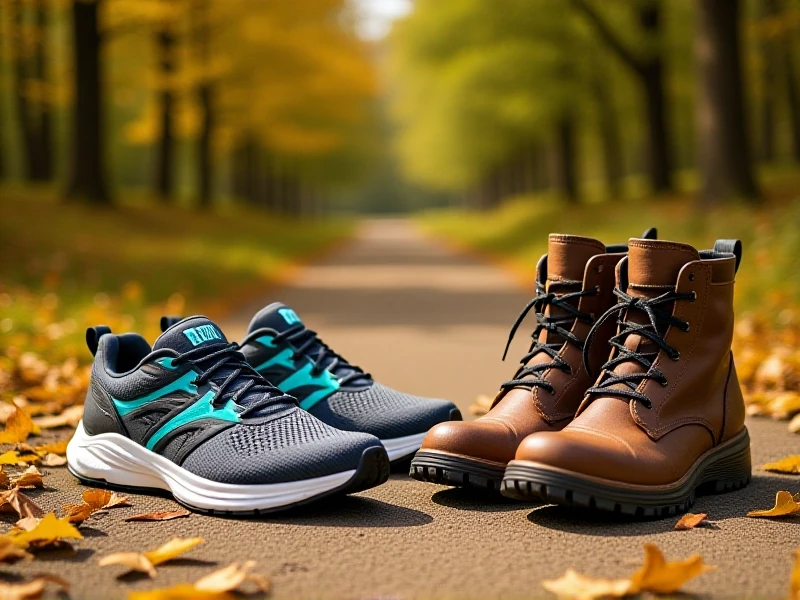
The Ultimate Guide to Finding Your Perfect Running Shoes
Running shoes are more than just footwear – they're essential partners in your fitness journey. Whether you're training for a marathon or enjoying a casual jog, the right pair can prevent injuries and enhance performance. Understanding key features helps you make informed choices that match your unique running style.
Cushioning and Support Matter Most
Quality running shoes provide strategic cushioning to absorb impact, protecting joints during repetitive strides. Midfoot arch support stabilizes your gait, while breathable mesh uppers prevent overheating. For trail runners, deeper treads offer superior traction on uneven terrain. Road runners should prioritize lightweight flexibility for faster pacing. Brands like Nike, Brooks, and ASICS each specialize in distinct technologies catering to varying needs.
Finding Your Ideal Fit
Always measure your feet later in the day when they're naturally swollen. Leave a thumb's width between your longest toe and the shoe tip for comfort during long runs. Visit specialty stores for gait analysis – this determines whether you need neutral, stability, or motion-control running shoes based on your pronation. Rotate between two pairs to extend their lifespan and adapt to different workouts.
When to Replace Running Shoes
Most running shoes last 300-500 miles. Regularly inspect soles for asymmetrical wear patterns – a sign they've lost shock absorption. Worn-out shoes increase injury risks like shin splints. For beginners, medium-cushioned neutral options offer versatile support while advanced runners may benefit from carbon-plated performance designs.
Investing time in selecting proper running shoes pays dividends in comfort and injury prevention. Remember: the best pair isn't the most expensive, but the one that disappears beneath your feet as you move.
( 296)